Native plants offer food and shelter for wildlife, including native pollinators (like bees and butterflies!). Vegetated shoreline buffers are most effective for erosion control and habitat creation when layered with different sized trees like canopy and midstory trees, shrubs, and ground cover.
Our friends at Maine Audubon recently shared a story about finding four different bird’s nests all in trees less than two feet tall! “The instant you put a native plant in the ground, it starts providing value for wildlife,” said Maine Audubon’s Jocelyn LaClair. The nests were found in pine and spruce trees, yet other conifers like firs and cedars also provide ideal habitat for our feathered friends.
Planting small native trees along with herbaceous plants can increase your species hosting capacity. Plants like goldenrods (Solidago) and asters (Symphyotrichum) support the largest number of caterpillar species. These native plants, along with many others, serve as a food source for butterflies, beetles, bees, and other pollinators. The influx of larvae on these native plants also doubles as a great resource for birds feeding their young, who rely exclusively on caterpillars!
Planting native plants for the benefit of wildlife (and the lake!) is the easiest way to protect our precious resources while also ensuring native critters have a place to call home.
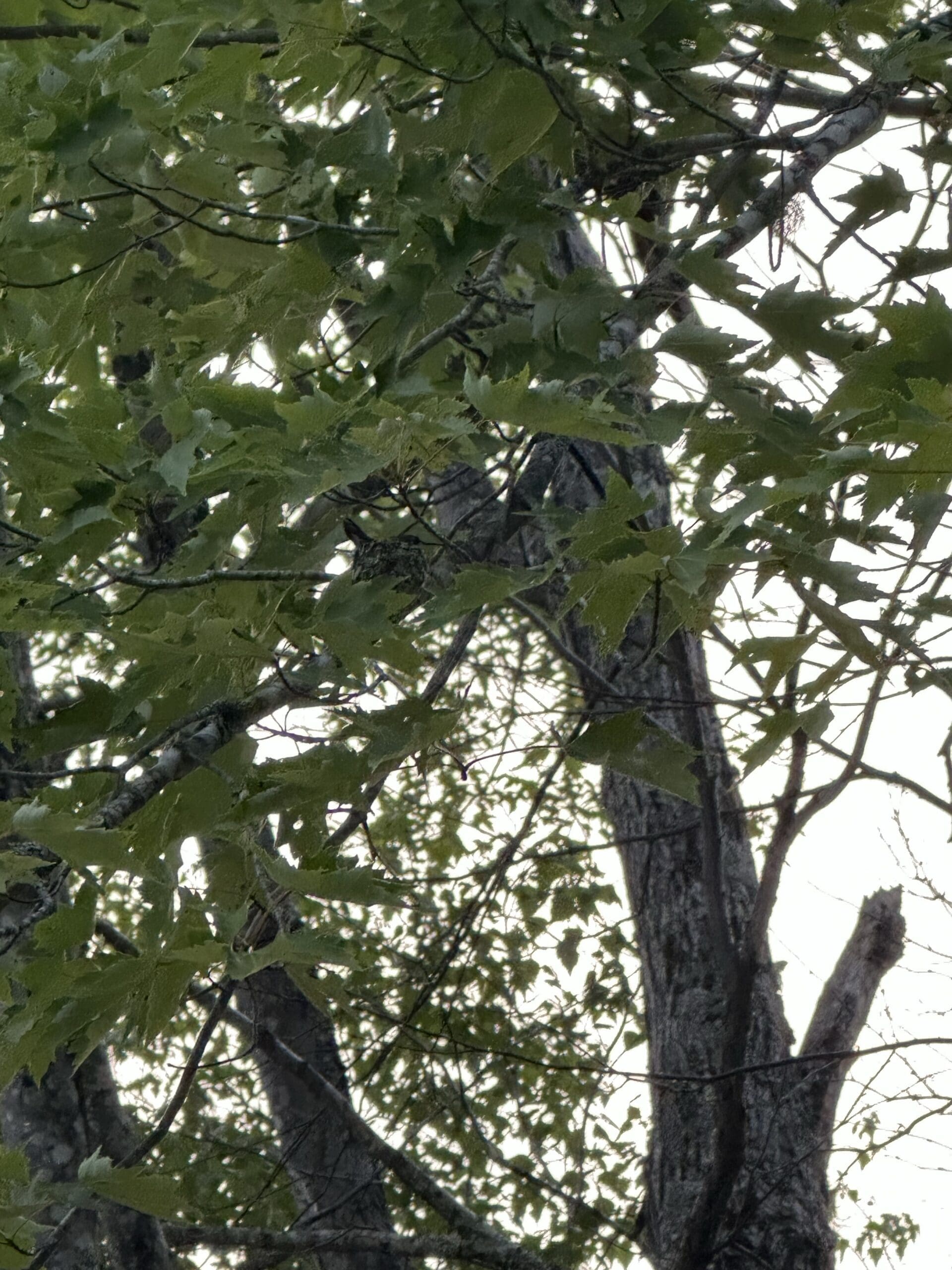
Photo: A hummingbird nesting in a lakeside tree
This article was included in 30 Mile’s July 2026 newsletter. To view the full release, click here.